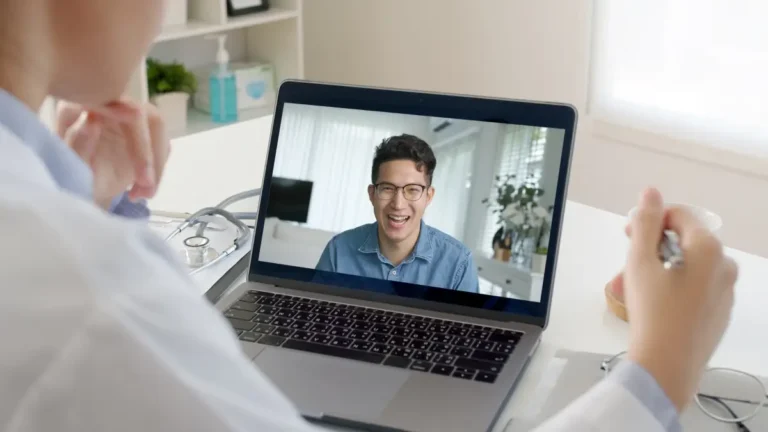


Remote Patient Monitoring (RPM) allows healthcare providers to track patients’ vital signs and health data remotely. This tool enables proactive care and personalized adjustments to treatment plans, significantly impacting the ROI in healthcare.
RPM is beneficial for both patients and healthcare providers. It helps in managing chronic conditions and preventing potential health complications. This proactive care approach enhances patient outcomes and provides substantial remote patient monitoring cost savings.
This article discusses RPM and its future. It also covers the benefits of using an RPM service and the expected ROI in healthcare.

The Future of RPM
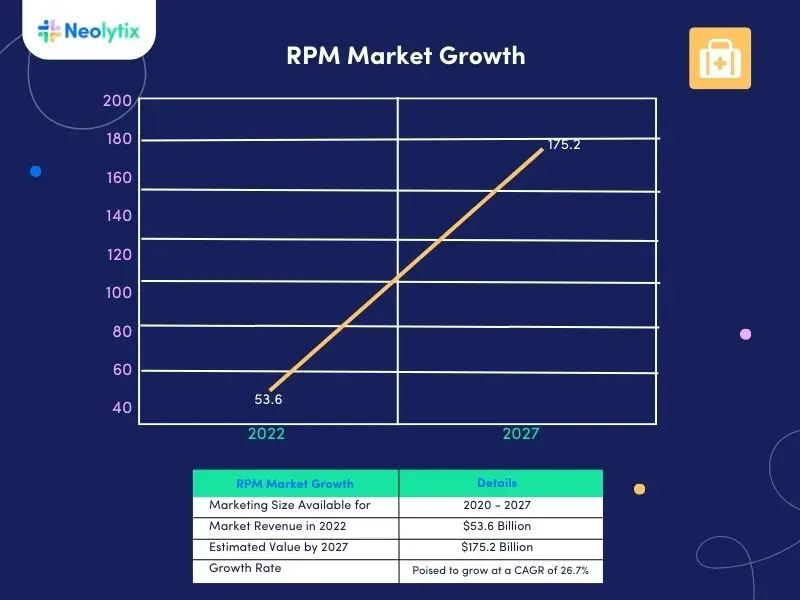
RPM’s future looks bright as healthcare moves towards value-based care and patient-centered models. Remote patient monitoring programs are becoming easier to use as technology improves and more devices connect. This benefits both patients and healthcare providers.
Patients find it easier to participate in their own care. Healthcare providers find it easier to monitor patients remotely. Integrating artificial intelligence and machine learning algorithms can enhance data analysis and predictive capabilities, enabling healthcare professionals to deliver even more personalized care.
As healthcare systems prioritize cost savings and improved patient satisfaction, the demand for RPM is expected to grow exponentially, further impacting the return on investment in healthcare information technology.
Benefits of Implementing an RPM Service
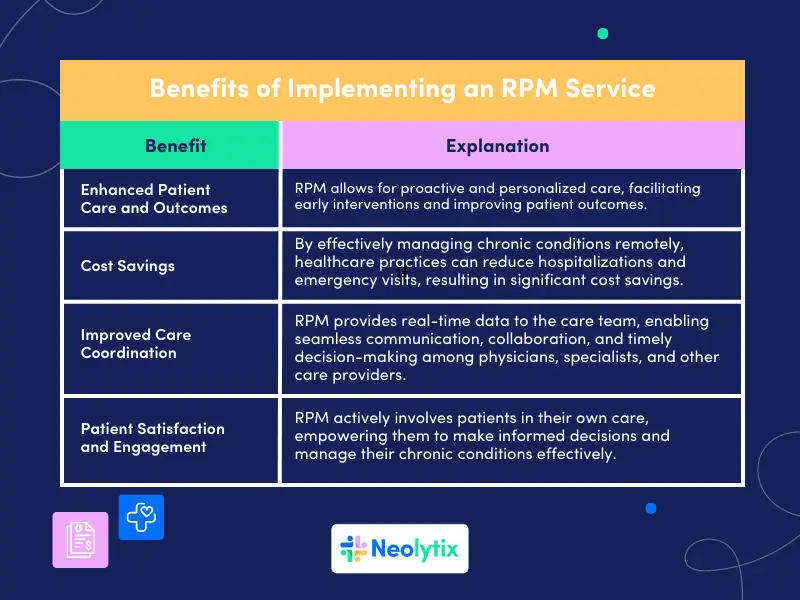
Implementing an RPM service offers several benefits for healthcare providers and their patients, such as improved patient engagement, better health outcomes, and significant remote patient monitoring cost savings.
The Expected ROI of RPM
Remote patient monitoring has positively impacted reducing hospitalizations, emergency visits, and healthcare costs. A study from 2017 in the Journal of Medical Internet Research examined multiple studies. It discovered that utilizing remote patient monitoring for chronic conditions has the potential to reduce costs.
In 2019, a study was published in the Journal of Medical Economics. The study showed that using remote patient monitoring for chronic heart failure patients had two benefits. The first benefit was saving money. The second benefit was improving patient outcomes.
Studies show that using remote patient monitoring can save money and make healthcare more efficient. The exact savings may vary, but overall, it is agreed that this technology is beneficial for healthcare organizations of all sizes, including small practices.
Book a free consultation with us to learn about the ROI of remote patient monitoring for your healthcare organization.
Calculating the ROI of RPM
Healthcare providers are looking at Remote Patient Monitoring (RPM) to improve patient care and increase revenue. It’s important to figure out the Return on Investment (ROI) of this new service. Knowing how RPM affects finances can help healthcare providers make better decisions and improve their health organization’s effectiveness. Here are key considerations to determine the ROI of RPM:
Cost Analysis
Begin by evaluating the costs associated with implementing and maintaining an RPM program. This includes initial investments in technology infrastructure, devices, software integration, staff training, and ongoing technical support. Carefully assess the upfront and recurring expenses to understand the financial implications comprehensively. Understanding the cost of remote patient monitoring is crucial for accurate ROI calculation.
Revenue Opportunities
Identify the potential revenue streams that can be generated through RPM. Medicare and other payers offer reimbursement for remote monitoring services when specific criteria are met. Familiarize yourself with the reimbursement codes and requirements for your healthcare organization and patient population.
Consider the eligible patients who can be enrolled in an RPM program and estimate the additional revenue generated.
Reduced Hospitalizations and Emergency Visits
One of the primary benefits of RPM is the potential to reduce hospitalizations and emergency visits. Analyze historical data and estimate the number of hospitalizations or emergency visits related to the target patient population. Calculate the cost of events and predict potential savings from monitoring and early interventions by RPM, highlighting the remote patient monitoring cost saving.
Improved Resource Utilization
RPM can optimize resource utilization within your healthcare organization. Assess the time and effort saved by reducing in-person visits for routine monitoring and follow-ups. Consider the potential increase in patient capacity due to the efficiency gained through RPM. Calculate the impact on physician time, nursing staff utilization, and overall workflow optimization, key aspects in medical office management ROI analysis.
Patient Satisfaction and Retention
Satisfied patients are more likely to continue seeking care from your healthcare organization. Analyze patient satisfaction scores, feedback, and retention rates for those enrolled in RPM programs. Happy and engaged patients are more likely to follow their treatment plans and refer others to your organization. This can lead to increased revenue over time.
Data Analysis and Monitoring Program Optimization
Leverage the insights derived from RPM data analysis to identify trends, gaps, and areas for improvement. Continuously refine and optimize the RPM program based on the data collected.
This process is essential for ROI solutions for healthcare organizations. Fine-tuning the program can lead to better patient outcomes, higher satisfaction, and increased revenue over time.
Investing in healthcare can bring financial benefits like higher revenue and happier patients. This can result in a positive return on investment. The actual ROI can differ based on the healthcare organization and the patients they serve and this also applies to the exact ROI.
Understanding the Full Spectrum of ROI
Remote Patient Monitoring (RPM) is a key component in modern healthcare strategies, offering numerous financial and operational benefits. To fully appreciate the potential of RPM, it’s crucial to understand various aspects of its ROI monitoring and how it fits into the broader healthcare landscape.
The ROI of Healthcare IT
Investing in healthcare IT, particularly RPM, can significantly enhance the return on investment in healthcare information technology. By streamlining patient data collection and analysis, RPM helps healthcare providers make informed decisions faster, improving patient outcomes and operational efficiency.
Medical Device ROI
RPM devices deliver substantial medical device ROI by reducing in-person visits and enabling continuous monitoring, cutting healthcare delivery costs, and enhancing patient satisfaction.
Remote Patient Monitoring ROI
Evaluating remote patient monitoring ROI involves assessing direct benefits like RPM cost savings from fewer hospital admissions and indirect benefits such as improved chronic disease management.
What is ROI in Healthcare?
What is ROI in healthcare? It measures financial gains from healthcare technology investments. Effective ROI assessment considers setup costs, maintenance, and financial benefits from improved patient care.
What is ROI in Medical Billing?
RPM influences ROI in medical billing by streamlining processes, ensuring accurate coding, and maximizing reimbursements, leading to a higher return on investment.
Calculating the RPM Cost and Growth
The remote patient monitoring cost includes initial investments in devices and training. However, the growth in RPM adoption is driven by the substantial cost savings and efficiency improvements it offers. Utilizing an RPM investment calculator can help healthcare organizations quantify these benefits and make informed decisions about their investment.
Return on Investment in Value-Based Care
RPM aligns perfectly with the goals of value-based care, which emphasizes patient outcomes over service volume. By facilitating continuous monitoring and early intervention, RPM can significantly enhance the return on investment in value-based care models.
By addressing these critical components, healthcare providers can make informed decisions about investing in RPM and fully realize the financial and operational benefits it offers.
Optimizing RPM Workflow
To maximize the benefits of RPM, it’s crucial to optimize RPM workflows. This involves integrating RPM seamlessly into existing healthcare processes, ensuring that the data collected is actionable and that staff are trained to use the technology effectively. Optimized workflows lead to better patient outcomes and higher financial returns.
RPM: A Win-Win for Patient Outcomes and Your Bottom Line
Investing in Remote Patient Monitoring (RPM) with Neolytix revolutionizes healthcare delivery by enhancing patient care, reducing costs, and optimizing resource utilization. Our 100% risk-free revenue model, Medicare-approved RPM devices, and no upfront investment make it easy for healthcare organizations to implement RPM seamlessly. Plus, we offer complimentary claims submission and billing, ensuring a hassle-free experience.
Choose Neolytix for your RPM needs and benefit from our expertise, scalability, and commitment to excellence. Contact us today for a free, no-obligation consultation to understand how our RPM solutions can transform your practice and maximize your ROI.